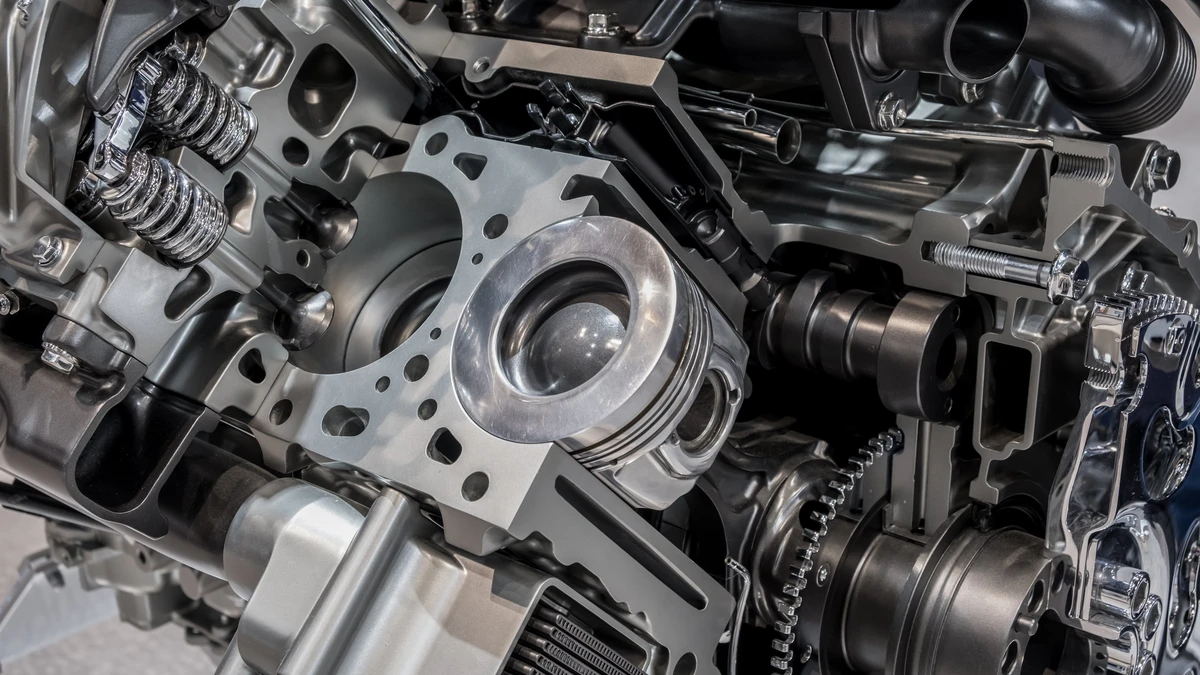
Keep your car’s engine and drivetrain protected. Learn exactly what a powertrain warranty covers and what it doesn’t before trouble strikes.
Most drivers know they may have a powertrain warranty, but far fewer know what it covers until something breaks. This guide gives you a clear, complete picture of what a powertrain warranty includes, what it doesn’t, how it compares to comprehensive (bumper-to-bumper) warranty coverage, and why extending it matters more than you might think.
Understanding the Powertrain Warranty: What Is It?
A powertrain warranty is a type of vehicle coverage that specifically protects the components that generate your vehicle’s power and move it down the road. In practical terms, that means the engine, the transmission, and the drivetrain – the three main systems that can leave you with a massive repair bill if they fail.
Most new vehicles come with a standard factory powertrain warranty from the manufacturer at no cost. This is separate from the comprehensive (bumper-to-bumper) factory warranty, also provided at no cost.
The powertrain warranty typically lasts longer than the comprehensive (bumper-to-bumper) warranty — often 5 years/60,000 miles, compared to 3 years/36,000 miles. Once coverage expires, as the vehicle owner you’re responsible for 100% of any necessary repair costs out of pocket unless you purchase after-warranty powertrain protection.
What a Powertrain Warranty Covers
Powertrain warranty coverage centers on the systems that power and propel your vehicle. Here’s a breakdown of what’s typically included:
Engine
The engine is the heart of your powertrain. Most warranties cover internally lubricated engine components – the parts that rely on oil to function, such as:
- pistons
- crankshafts
- camshafts
- timing chains
- valve assemblies
- oil pumps
If an internal engine failure occurs due to a defect or mechanical breakdown, it may be covered in most cases.
Transmission
Whether your car has an automatic or manual transmission, the transmission is covered under a standard powertrain warranty. This includes items like:
- transmission case
- internal gears
- torque converters
- electronically controlled shifting components
Transmission repairs are among the most expensive in the industry. Rebuilds typically range from $2,500 to $5,000*, and full replacement can reach $7,100 or more** — making powertrain coverage one of the most valuable protections a driver can have.
*Source: RepairPal ** Source: Kelly Blue Book
Drivetrain / Drive Axle Coverage
The drivetrain is the system that transfers power from the transmission to the wheels. Covered components typically include:
- driveshaft
- CV joints and boots
- axle shafts
- front and rear differentials
For front-wheel-drive vehicles, this covers the transaxle assembly. For rear-wheel-drive and all-wheel-drive vehicles, it typically includes the rear differential and related hardware.
Transfer Case
If your vehicle is a 4WD or AWD model, the transfer case – the component that splits power between the front and rear axles – is generally included in powertrain coverage.
Transfer cases are expensive to replace, making this a meaningful part of your coverage.
Seals and Gaskets (within Covered Systems)
Powertrain warranties typically include seals and gaskets, but with a condition: they’re usually covered only when the leak or failure is a direct result of a covered component failing.
Normal wear-and-tear seepage is often excluded. Always be sure to verify this in your specific warranty document.
What a Powertrain Warranty Does NOT Cover
Knowing what is excluded is just as important as knowing what’s included. Most standard powertrain warranties do not cover:
- Routine maintenance like oil changes, transmission fluid flushes, and filter replacements
- Wear-and-tear components such as belts, hoses, or clutch discs in manual transmissions
- Air conditioning and climate control systems
- Electrical systems, audio, navigation, and infotainment
- Suspension, steering, and braking components
- Damage caused by accidents, misuse, or neglected maintenance
- Pre-existing conditions or high-mileage wear at time of purchase
- Cosmetic items including interior and exterior trim, paint, and glass
This is why many drivers with factory warranties still opt for a vehicle service protection plan that offers powertrain coverage as well as protection for additional parts and components after the warranties expire. Learn more about what vehicle service protection plans really cover.

Manufacturer Powertrain Warranty vs. Comprehensive (Bumper-to-Bumper) Warranty: What’s the Difference?
This is one of the most common questions drivers ask, and for good reason. Both are factory warranties at no cost to you, but they protect very different things.
| Feature | Powertrain warranty | Bumper-to-bumper warranty |
|---|---|---|
| What it covers | Engine, transmission, drivetrain, transfer case | Most vehicle systems with fewer exclusions |
| Typical term | 5 years / 60,000 miles | 3 years / 36,000 miles |
| AC covered | No | Yes |
| Electronics covered | No | Yes |
| Suspension covered | No | Yes |
| Seals and gaskets | Conditional | Yes |
| Lasts longer | Yes — by design | Expires sooner |
The takeaway: The comprehensive (bumper-to-bumper) coverage may also be referred to as the manufacturer’s basic limited warranty and is broader but expires earlier.
Powertrain coverage is narrower but typically stays in force longer. It is important to ask your dealer when purchasing a vehicle to determine the specific length of time each warranty is in effect.
Once both warranties expire, you are unprotected from mechanical breakdowns unless you purchase an after-warranty vehicle service protection plan. Here’s what you should ask before buying vehicle service protection.
Why Powertrain Coverage Matters — The Real Cost of Repairs
The powertrain isn’t just the most complex system in your vehicle — it is by far the most expensive to repair. Powertrain warranty coverage is designed to protect against these types of major vehicle repair bills – potentially saving you thousands.
Average Powertrain Component Replacement Costs
| Component | Average cost range (without coverage) |
|---|---|
|
Engine replacement
|
$6,300 – $12,900+ |
|
Transmission replacement/rebuild
|
$3,500 – $7,000+ |
|
Differential replacement
|
$1,500 – $8,000 |
|
Head gasket replacement
|
$2,000 – $6,000 |
|
Timing chain replacement
|
$1,500 – $3,000 |
|
CV axle replacement
|
$600 – $1,500 |
|
Water pump replacement
|
$400 – $800 |
Source: Kelley Blue Book. Costs vary by vehicle make, model, year, and location. Estimates are averages for informational purposes only.
Post-Warranty Powertrain Coverage
After the factory powertrain warranty expires, your options are straightforward: pay for repairs out of pocket or extend your coverage with a vehicle service protection plan that includes powertrain coverage.
A vehicle service protection plan provides continued protection after your factory warranties end. Depending on the plan, you can get coverage for your engine, transmission, and drivetrain for many years beyond the manufacturer’s original window — often up to 10 years or 100,000 miles.
Not sure if a plan is right for you? Take our self-assessment quiz to find out.
Takeaway: Key benefits of extending your powertrain coverage include:
- Protection against catastrophic engine and transmission failures after the factory warranty expires
- Predictable monthly costs instead of unpredictable, high-dollar repair bills
- Flexibility to use any ASE-certified mechanic — not just the dealership
- Additional benefits like 24/7 roadside assistance, towing, and rental car reimbursement
(see top added benefits included with vehicle service contracts) - Transferability — a covered vehicle is more attractive in the resale market
FAQs
Q. How Long Does a Powertrain Warranty Last?
Once the clock runs out on your factory coverage, you’re on your own — which is exactly the moment a vehicle service protection plan becomes most valuable.
Factory powertrain warranties typically fall in one of these windows:
- Standard coverage: 5 years / 60,000 miles — the most common factory powertrain term from major automakers
- Enhanced coverage: 10 years / 100,000 miles — offered by select manufacturers like Hyundai and Kia as a competitive differentiator
- Certified pre-owned: Varies by brand, typically 5–7 years / 60,000–100,000 miles from the original purchase date
Q. Does a powertrain warranty cover leaks?
It depends. Many powertrain warranties cover seals and gaskets only if the leak is caused by a covered mechanical failure. Leaks resulting from age, wear, or neglected maintenance are typically excluded. Always check your specific warranty terms.
Q. Does a powertrain warranty transfer to a new owner?
Factory powertrain warranties may transfer to a subsequent owner for the remainder of the term, though some enhanced or extended manufacturer warranties are limited to the original owner.
Many vehicle service contracts are also transferable, which can make your vehicle more attractive at resale. Always confirm transfer terms in your specific contract.
Q. Will a powertrain warranty cover a high-mileage vehicle?
A factory powertrain warranty ends once you reach its mileage cap — commonly 60,000 miles — so a high-mileage vehicle is typically beyond it.
For older or higher-mileage vehicles, a vehicle service protection plan with powertrain coverage is the usual way to stay protected, often extending coverage up to 10 years or 100,000 miles depending on the plan.
Q. Can neglected maintenance void powertrain coverage?
Yes. Powertrain coverage protects against defects and mechanical failures, not damage caused by skipped or improper maintenance. If a failure traces back to missed oil changes or ignored service intervals, the claim can be denied. Keep records of routine maintenance to protect your coverage.
This is where a prepaid maintenance plan can be helpful in keeping your car serviced regularly and at proper intervals.
Q. Can I use any mechanic for powertrain warranty repairs?
Factory powertrain warranty repairs are generally handled through franchised dealer service departments.
Check your contract for any network or pre-authorization requirements before work begins. With most vehicle service protection plans, you can use any licensed or ASE-certified repair facility rather than being limited to the dealership.
Related Coverage Guides
- A Consumer’s Guide to Vehicle Service Contracts: Facts, Myths, and How to Buy Smart
- Vehicle Service Protection vs. Manufacturer’s Warranty — What’s the Difference?
- Extended Warranty vs. Vehicle Service Contract: Are They the Same Thing?
- Keeping Your Car Beyond the Warranty: What You Should Know
- Top Added Benefits That Make a Vehicle Service Contract Worth It