QUICK ANSWER
The five maintenance tricks mechanics wish drivers knew are simple: check tire pressure monthly, change the cabin air filter yourself, never ignore a slow coolant leak, top off key fluids before they get too low, and use the owner’s manual for actual service intervals instead of guessing. These simple habits can help you catch small problems before they become expensive ones.
Key Takeaways
- Check tire pressure. On the first of every month, use the PSI on your door jamb sticker to ensure your tires are properly inflated.
- Replace your cabin air filter. It takes about five minutes, requires no tools, and costs $15–$25 versus $80–$150 at a dealership.
- Check for coolant leaks. If you catch a leak early, the fix might be a hose or clamp. Left alone, it can become a $3,000–$5,500 head gasket repair.
- Check fluids: Engine oil and coolant should be checked monthly, brake fluid every three months, transmission fluid every six months.
- Read the owner’s manual. It is important to know the correct service intervals for your specific vehicle. The “every 3,000 miles” oil change rule is outdated for most modern cars.
- Make maintenance a habit. Done consistently, small maintenance checks and fixes separate a vehicle that lasts from one that doesn’t.
Before You Start – What Do You Need?
Why Do Most Mechanics Wish They Could Tell You This?
What Ignoring These 5 Tips Can Cost You
| Maintenance Item | Proactive Fix Cost | Neglected Repair Cost | Potential Savings |
|---|---|---|---|
|
Tire pressure (monthly check)
|
$0
gauge only
|
$200–$800
premature tire replacement
|
Up to $800
|
|
Cabin air filter (DIY swap)
|
$15–$25
part only
|
$80–$150
dealer labor + part
|
Up to $125
|
|
Coolant leak (early fix)
|
$50–$300
hose/clamp
|
$3,000–$5,500
head gasket
|
Up to $5,200
|
|
Fluid top-off (routine)
|
$5–$30
fluids
|
$500–$3,000+
component failure
|
Up to $3,000
|
|
Owner’s manual intervals
correct oil
|
$0
change at right interval
|
$200–$500
unnecessary extra changes
|
Up to $500
|
Estimated using repair data published by AAA, NHTSA, Consumer Reports, and manufacturer maintenance schedules.
1. Check Your Tire Pressure Every Month (Yes, Really)
Most drivers only check tire pressure when the warning light comes on. By that point, the tire is already low enough to affect fuel economy, handling, and wear.
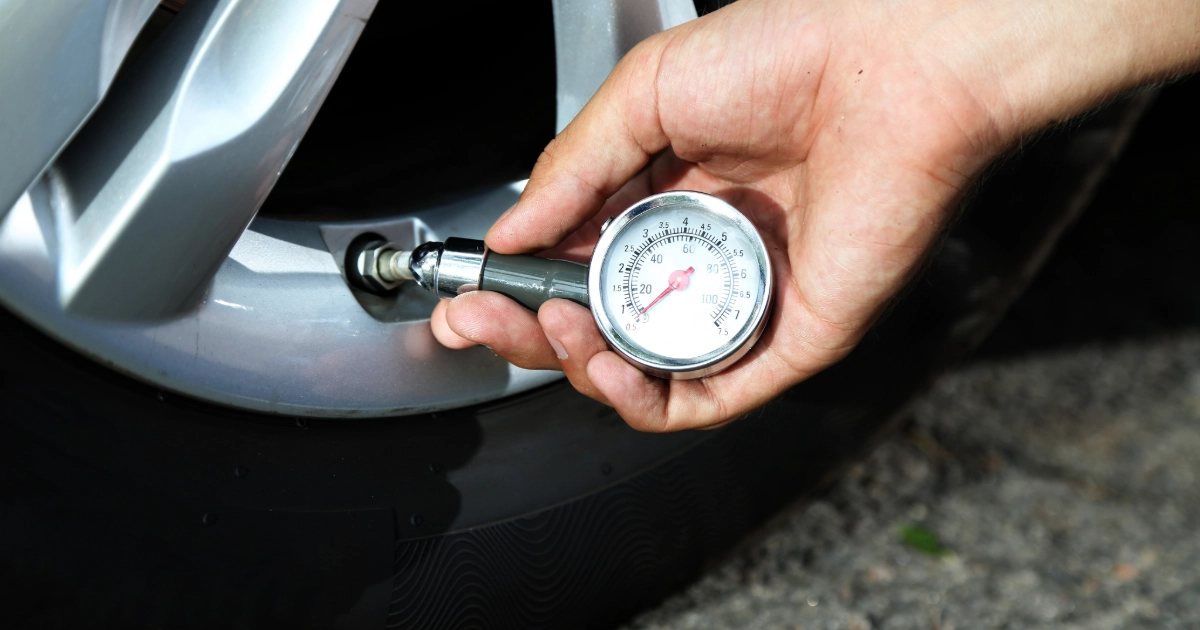
The simple DIY trick: check all four tires on the first of each month. It takes about three minutes with a $10 gauge. Use the PSI listed on the driver’s door jamb sticker for the correct air pressure, not on sidewall of the tire, which shows the maximum.
In fact, proper inflation helps tires last longer, improves gas mileage, and keeps handling predictable. For example, underinflated tires run hotter, wear unevenly, and reduce fuel efficiency. Temperature also matters. Tires lose about one PSI for every 10-degree drop, which is why monthly checks catch problems before the light does.
QUICK TIP
Keep a small tire gauge in your glove box. The gauges built into gas station air pumps are notoriously inaccurate.
How Tire Pressure Affects Fuel Economy and Tire Life
| Tire Pressure Status | Fuel Economy Impact | Tire Lifespan Impact | Safety Risk |
|---|---|---|---|
|
Correct PSI
|
Optimal | Full lifespan | Low |
|
5–10 PSI Low
|
-2 to -4% MPG | 10–15% shorter | Moderate |
|
10–20 PSI Low
|
-5 to -8% MPG | 25–40% shorter | High |
|
20+ PSI Low
|
-8%+ MPG | Risk of blowout | Critical |
Approximations based on DOT and NHTSA tire safety guidelines. Results vary by vehicle and conditions.
2. Change Your Cabin Air Filter Yourself
Replacing a cabin air filter is one of the easiest maintenance tasks many drivers can do themselves. When the cabin air filter is clogged, it makes your HVAC system work harder, weakens heat and AC performance, and traps dirty air in the cabin.
The real mechanic trick: skip the dealership labor charge. On most vehicles, the filter sits behind the glove box or under the dashboard, takes about five minutes to replace, and requires no tools. The part usually costs $15 to $25.
Most manufacturers recommend replacing it every 12,000 to 15,000 miles, or sooner if you drive on dusty roads or travel with pets. If you can’t see light through it, replace it.
It’s simple enough for most drivers to handle at home. For more comprehensive maintenance planning, compare vehicle service protection and prepaid maintenance plans so you know what each covers.
QUICK TIP
When you replace the new filter, write the date and mileage on it with a marker. Future-you will appreciate it.
3. Never, Ever Ignore a Slow Coolant Leak
A slow coolant leak can seem minor until it isn’t. Watch for a sweet smell after parking, green, orange, or pink fluid under the car, or a coolant level that keeps dropping.
For that reason, treat any coolant leak as urgent. Coolant keeps your engine from overheating, and a slow leak can become a fast one without warning. Left unchecked, it can lead to head gasket repairs that cost $3,000 or more.
Caught early, the fix may be as simple as a hose or clamp. Check the coolant level only when the engine is cold, using the translucent reservoir near the radiator. If the level keeps dropping, have it inspected.
If you’re past your factory warranty, our guide on what vehicle service protection actually covers explains what type of vehicle protection plans include coverage for your car’s climate control and A/C.
QUICK TIP
Coolant is toxic to animals and has a sweet smell that attracts them. Clean up any puddles from your driveway promptly.
4. Top Off Fluids Before They Go Critical
Most drivers only pay attention to their car’s fluids when something goes wrong. A quick check every other month only takes minutes and can catch problems before warning lights appear.
Check fluids every other month or every few thousand miles. In other words, you’re not diagnosing problems — just watching for anything low or unusual.
What to Look For:
- Engine oil: Check when the engine is cool. The dipstick should read near MAX and look amber to dark brown. Black and gritty means it’s overdue.
- Brake fluid: Located near the back of the engine bay. If it’s low, it may signal worn pads or a leak.
- Coolant: Check the translucent tank near the radiator when the engine is cold. If the level keeps dropping, see Tip 3.
- Windshield washer fluid: Top it off yourself. Running dry during a muddy drive is a bad time.
Ultimately, the goal is to catch issues early, not diagnose them yourself. For more information about plans that cover repairs or maintenance, see our Vehicle Service Protection vs Prepaid Maintenance guide.
QUICK TIP
Most automakers build a fluid check into their recommended maintenance schedule. Use it as your seasonal reminder to do a quick visual walkthrough.
Fluid Check Frequency Guide
| Fluid Type | Check Frequency | DIY Top-Off? | Low = Urgent? |
|---|---|---|---|
|
Engine Oil
|
Monthly | Yes | Yes, check immediately |
|
Coolant/Antifreeze
|
Monthly | Yes (correct type) | Yes, get inspected |
|
Brake Fluid
|
Every 3 months | No, see a mechanic | Yes, safety critical |
|
Transmission Fluid
|
Every 6 months | Check only | Yes, expensive if low |
|
Windshield Washer Fluid
|
As needed | Yes | No, convenience only |
|
Power Steering Fluid
|
Every 6 months | Check only | Yes, handling affected |
DIY top-off recommendations for general reference only. Always verify with your vehicle’s owner’s manual.
5. Read Your Owner’s Manual for Actual Service Intervals
Your owner’s manual is more than paperwork. After all, the manufacturer built those recommendations around your vehicle’s specific components and operating conditions.
Stop guessing and read the schedule. The ‘every 3,000 miles’ oil change rule is outdated for most modern vehicles — many can go 5,000, 7,500, or even 10,000 miles between changes, depending on oil type and engine.
The manual also lists the correct tire pressure, recommended fuel grade, tire rotation timing, and timing belt or chain replacement schedule for your specific vehicle, and more.
If you can’t find your owner’s manual, most manufacturers offer digital versions online. Search your make, model, year, and owner’s manual PDF.
QUICK TIP
Bookmark the maintenance schedule section of your manual. It’s usually a simple chart that tells you exactly what to do and when. That one page is worth more than most generic car maintenance advice on the internet.
Related Reading from REV
- Keeping Your Car Beyond the Warranty: What You Should Know
- Beat the Heat: Keep Your Car Cool, Comfy & Protected All Summer
- Vehicle Service Protection vs. Prepaid Maintenance: Costs and Benefits
- What Does Vehicle Service Protection Really Cover?
The Bottom Line
Good vehicle care does not have to be complicated. Better yet, these car maintenance tips don’t require mechanical skills or a garage full of tools, just about 30 minutes a month and a little consistency.
Generally, drivers who get the most from their vehicles usually do the basics well: check tire pressure, monitor fluids, and follow the owner’s manual.
If you’re thinking ahead about long-term ownership costs, consumer’s guide to vehicle service contracts explains how different types of vehicle coverage plans work and what to look for before purchasing.
FAQs
DIY Maintenance Questions
Q: How often should I really check my tire pressure?
Check tire pressure once a month, ideally on the first of the month so it becomes routine. Don’t wait for the warning light. By then, the tire is already meaningfully underinflated. Cooler weather can also lower pressure, so check more often during fall and winter.
Q: Can I really change my cabin air filter myself, or do I need a mechanic?
On most vehicles, yes. The cabin air filter is usually behind the glove box or under the dashboard, takes about five minutes to replace, and often requires no tools. The part usually costs $15 to $25, compared with $80 to $150 at a dealership.
Q: What does a coolant leak actually look like, and when should I be worried?
Look for bright green, orange, or pink fluid under the parked car, a sweet smell after driving, or a coolant level that keeps dropping. Treat any consistent coolant loss as urgent because the cooling system protects the engine from overheating.
Q: What fluids should I be checking in my car, and how often?
Monitor engine oil and coolant monthly, brake fluid every three months, transmission fluid every six months, and windshield washer fluid as needed. Engine oil, coolant, and brake fluid deserve the most attention because low levels can signal expensive or safety-related problems.
Service Intervals and Vehicle Protection Questions
Q: Does the “every 3,000 miles” oil change rule still apply to my car?
For most modern vehicles, no. Many can go 5,000, 7,500, or even 10,000 miles between oil changes, depending on the engine and oil type. Your owner’s manual has the correct schedule for your specific car.
Q: What happens if I ignore these maintenance tips long-term?
Small fixes can turn into expensive repairs. Low tire pressure can shorten tire life, a clogged cabin filter can strain your HVAC system, and a minor coolant leak can lead to head gasket or engine damage. These are exactly the preventable problems mechanics see every day.
Q: If I keep up with maintenance, do I still need vehicle service protection?
Maintenance reduces the risk of breakdowns, but it can’t prevent every mechanical failure as a vehicle ages. Vehicle service protection may help with covered repairs to major components, but the right choice depends on your car, mileage, budget, and risk tolerance.
Q: Where can I find my car’s recommended maintenance schedule?
Start with your owner’s manual. The maintenance schedule is usually a chart near the back that lists service needs by mileage or time. If you can’t find the manual, most manufacturers offer downloadable PDFs online for your vehicle’s year, make, and model.
Drive Smart, Stay Ahead
Your car is already telling you what it needs. These five habits are how you start listening.
Performing these simple maintenance habits can help you spot small problems early, protect your vehicle over time, and avoid repairs that could have been prevented.