
Quick Answer: The clearest signs to consider coverage are an expiring factory warranty, rising mileage, new noises or dashboard warnings, harder-to-predict repair costs, and plans to keep the car for several more years. They are signals to compare options, not proof that coverage is the right choice for every driver.
Key Takeaways
- An expiring or already-over factory warranty is a common time to evaluate protection because future repair costs may shift to the owner.
- Rising mileage can affect eligibility, available plans, and covered components, depending on the provider and vehicle.
- New noises or warning lights should be diagnosed first. Coverage generally will not apply retroactively to a known issue.
- Repair-cost uncertainty may be a reason to compare options, but it does not mean a plan is automatically the most economical choice.
- If the decision comes down to budget, risk comfort, or whether coverage is worth it, take this self-assessment to determine.
1. Your Factory Warranty is Ending or Already Over
An expiring factory warranty is one of the clearest moments to review your options. Once factory coverage ends, eligible repair costs that were previously handled by the manufacturer may become your responsibility. Warranty terms vary by manufacturer and vehicle, but some common examples include bumper-to-bumper coverage for 3 years or 36,000 miles and powertrain coverage for 5 years or 60,000 miles.
Your factory warranty can expire before you are ready to replace the vehicle, so it’s worth knowing exactly when that coverage ends. Vehicle Service Protection (VSP), also called a vehicle service contract, may help cover certain eligible repairs after the factory warranty ends. Pricing, terms, covered components, and exclusions vary by plan, so compare details before a repair is already underway.
PRO TIP
Your exact warranty end date is tied to your vehicle and may depend on the make, model, trim, original in-service date, mileage, and manufacturer terms. Check your owner account, dealership, or warranty manual.
2. Your Mileage is Climbing
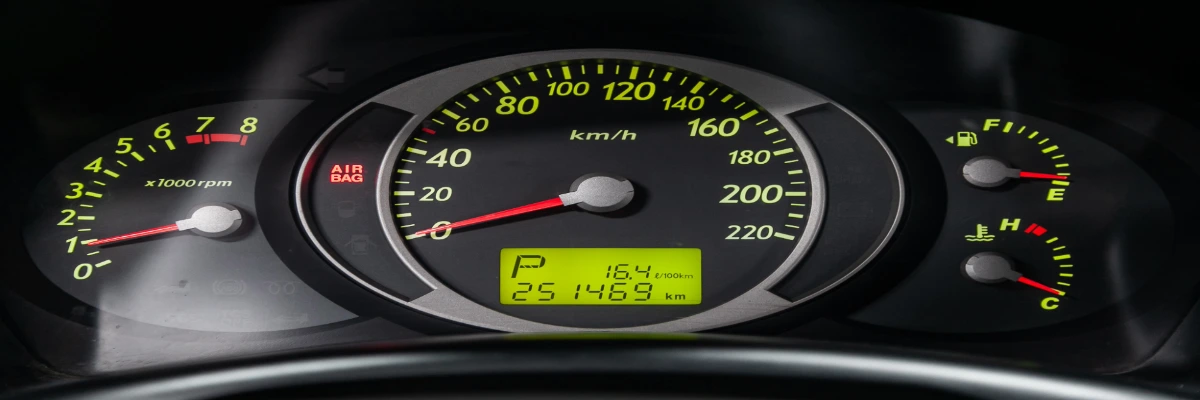
Rising mileage can be a good reason to review coverage options because eligibility, available plans, and covered components may vary by provider, vehicle age, mileage, and condition. Some providers may also request an inspection or maintenance records before approving coverage.
The main takeaway is simple: do not assume you are too early or too late. If you are not sure what may be available for your vehicle, compare plan details and eligibility requirements before mileage becomes a limiting factor.
3. You Notice New Noises or Dashboard Warnings
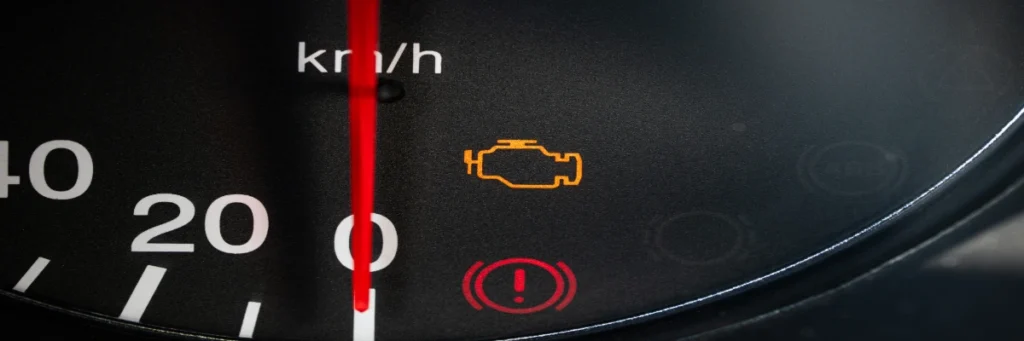
New noises or more frequent warning lights are worth paying attention to, but not because buying a plan will cover the issue you already know about. Many vehicle service contracts exclude pre-existing conditions, so a plan will not retroactively cover a known problem. Have the noise or warning light checked by a mechanic first.
Once the issue has been diagnosed and addressed, that can be a good time to evaluate whether protection makes sense for future covered repairs. CarMD reported that the average cost to address a check-engine light reached $554 in 2025, which is a useful reminder to diagnose dashboard warnings early rather than ignore them.
4. Repair Costs Feel Harder to Predict
Repair costs that feel less predictable than they used to are another common trigger for looking into coverage. Drivers now spend about $1,184 a year on maintenance and repairs, up 12% since 2021, and a single major repair, like an engine or transmission replacement, can run $2,000 to $10,000.
Most people aren’t prepared for that kind of bill. When a 2026 survey asked Americans how they’d cover a surprise $1,000 repair, only about a quarter said they’d use savings without hesitation. *
| Repair type | Typical cost | Who usually pays |
|---|---|---|
| Average annual maintenance and repair spending | About $1,184/year | Vehicle owner |
| Engine replacement | $2,000 to $10,000 | Vehicle owner, unless covered by a plan |
| Transmission replacement | $2,500 to $5,000 | Vehicle owner, unless covered by a plan |
| Same repair with vehicle service protection | Deductible only | Coverage provider, minus deductible |
Source: average annual maintenance and repair spending from LendingTree’s 2026 analysis of U.S. Bureau of Labor Statistics data; engine and transmission replacement cost ranges from J.D. Power data as compiled by The General (2026). Actual costs vary by vehicle, region, repair facility, and whether a repair is eligible under a given plan.
*According to a 2026 survey by LendingTree, only about 28% of Americans said they would cover a surprise $1,000 repair using savings.
A vehicle service contract may turn certain eligible repairs into a more predictable cost, often through a deductible instead of the full bill. It doesn’t make repairs free or guarantee savings overall. It’s simply one way to reduce uncertainty around some future covered repairs.
5. You Plan to Keep the Car for Several More Years
PRO TIP
Coverage options and eligibility can change as vehicles age or add mileage. If you are comparing plans, review the details before you reach a provider-specific age or mileage cutoff.
When You May Not Need Coverage
- Your vehicle is still well within its factory warranty.
- You lease your vehicle and plan to return it before the warranty period ends.
- You expect to sell or trade in the car soon.
- You have savings set aside for repairs and are comfortable covering an unexpected bill yourself.
None of these rules out coverage. They simply mean the signs above may carry less urgency. If you are trying to decide whether coverage is worth it for your situation, take this quiz to evaluate your repair risk, budget, and whether a vehicle service contract is right for you.
Frequently Asked Questions
Q: Does a new noise or warning light mean I should buy coverage right away? Not necessarily. Buying a plan will not cover a problem you already know about. Have it checked first, then consider whether protection makes sense for future covered repairs.
Q: What counts as high mileage for coverage purposes? There is not one universal definition. Eligibility and available options vary by provider, vehicle age, mileage, and condition.
Q: Will I need an inspection if my car already has some mileage on it? Some providers may request an inspection or maintenance records before approving coverage. Requirements vary by provider.
Q: I recognize a few of these signs. Does that mean I need vehicle service protection? Not automatically. These signs mean it may be worth comparing options. Whether coverage is worthwhile for your situation depends on more personal factors, which the self-assessment quiz can help readers think through.
Q: Does coverage include routine maintenance like oil changes? Usually no. Vehicle service protection is generally focused on eligible mechanical breakdowns and repairs. Routine maintenance is typically handled separately, often through a prepaid maintenance plan.
Next Steps
If one or more of these signs sound familiar, choose the next step that fits what you are trying to figure out:
- Keeping Your Car Beyond The Warranty: What You Should Know
- Do You Need Vehicle Service Protection? Take the Self-Assessment Quiz
- What Does VSP Really Cover?
- Comparing Vehicle Service Protection with Prepaid Maintenance
- What Should You Ask Before Buying Vehicle Service Protection? 5 Key Questions