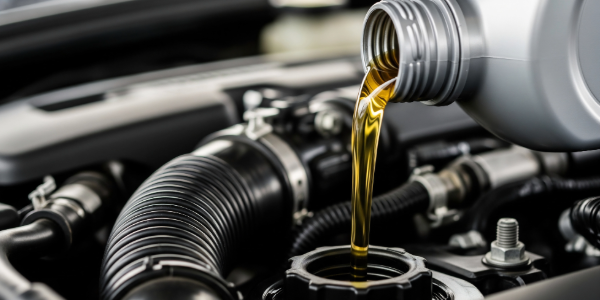
Short Answer: For most modern vehicles, no – you do not need to change your oil every 3,000 miles. The 3,000-mile rule is an outdated guideline that predates modern synthetic oils and today’s engine technology. Most new cars – and many older ones running full synthetic oil – can go 5,000 to 10,000 miles or more between oil changes. Your owner’s manual, not a sticker from a quick-lube shop, is the authoritative source for your specific service interval.
Jump to: Why 3,000 miles became popular | How modern engines changed everything | The oil that changed the game | The one source you should trust | Does your driving style change the rules | Quick Lube industry | FAQ
The Bottom Line, Up Front
- The 3,000-mile rule is outdated for most modern vehicles using synthetic oil. It was designed for older engines and conventional petroleum-based oil.
- Your owner’s manual is the definitive source for your oil change interval. If you don’t have a copy, your automaker’s website or a quick search for your year, make, and model will find it.
- Synthetic oil lasts significantly longer than conventional oil, typically 7,500 to 15,000 miles, and provides better protection at both extremes of temperature.
- Driving conditions matter. Frequent short trips, towing, and stop-and-go driving are harder on oil and may warrant shorter intervals.
- Changing oil too often wastes money, but never skip it entirely. Degraded oil is a leading cause of engine damage.
Where Did the 3,000-Mile Rule Come From?
If you’ve been changing your oil every 3,000 miles, you’re not alone – but there’s a good chance you’ve been doing it more often than your engine actually needs.
The oil change every 3,000 miles rule dates back to the 1960s and 70s, when carbureted engines and conventional oils made frequent changes genuinely necessary. Mechanics recommended it and quick-lube shops put it on their reminder stickers – even as the technology moved on dramatically. Today, it largely persists out of habit and, frankly, because more frequent visits are good for business.
The good news? For most modern vehicles, you can do a lot better. If you’re also thinking about long-term ownership costs, here’s what you should know about keeping your car beyond the warranty.
Fact 1: Modern Engines Are Built to Different Standards
What changed: The engines in today’s vehicles are built with tighter tolerances and better materials than their predecessors, which means less internal debris and contamination – one of the main reasons oil used to degrade so quickly.
What this means for your oil change schedule:
- Less metal particulate means oil stays cleaner longer
- Tighter tolerances reduce blow-by, a major cause of oil contamination
- Service intervals are engineered into the motor from the start – your owner’s manual reflects this
- Many modern vehicles include an Oil Life Monitoring (OLM) system that calculates real-time oil degradation based on driving conditions
Verdict: The engine your grandfather drove needed frequent oil changes. Yours almost certainly does not.
Fact 2: Synthetic Oil Is a Fundamentally Different Product
What changed: The shift to full synthetic motor oil is arguably the single biggest reason the 3,000-mile rule no longer applies to most drivers. Synthetic oil is engineered to maintain viscosity, resist oxidation, and protect engine components far longer than conventional oil.
What this means for your oil change schedule:
- Full synthetic typically maintains performance for 7,500 to 15,000 miles, depending on brand and driving conditions
- It resists thermal breakdown at high temperatures – a primary failure mode for conventional oil
- It flows better at cold starts, reducing wear during the most engine-damaging phase of operation
- Many automakers now factory-fill with synthetic and design extended drain intervals around it. Look for API SP or ILSAC GF-6 on the bottle when selecting your oil
Verdict: If your car takes full synthetic oil, the oil change every 3,000 miles rule isn’t cautious – it’s overkill.
PRO TIP
Not sure what oil your car takes? Check the oil cap under the hood or the owner’s manual. If it specifies full synthetic, you have no business changing it every 3,000 miles.
Fact 3: Your Owner’s Manual Has the Actual Answer
What changed: Your vehicle’s manufacturer has spent millions of dollars engineering and testing your specific engine. The service interval in your owner’s manual isn’t a conservative estimate – it’s what the engine was designed and validated for.
What this means for your oil change schedule:
- Most modern passenger vehicles specify 5,000 to 10,000 miles between changes
- Luxury and performance vehicles (BMW, Mercedes, Porsche) often specify 10,000 to 15,000 miles
- Some vehicles with advanced OLM systems may go longer based on actual driving conditions
- Changing oil more frequently than specified provides no additional protection and wastes money
If you’re weighing routine maintenance costs against unexpected repairs, this breakdown of vehicle service protection vs. prepaid maintenance costs and benefits is worth a read.
Verdict: Your manufacturer tested and validated your service interval. Trust the manual over the sticker.
Fact 4: Driving Conditions Actually Matter More Than Mileage Alone
What changed: Even with modern oil and engines, how you drive affects how quickly your oil degrades. Automakers distinguish between “normal” and “severe” driving conditions – and the definition of “severe” may surprise you.
What this means for your oil change schedule:
- Severe conditions include frequent short trips under 5 miles, stop-and-go city driving, towing or hauling, extreme temperatures, and extended idling
- Short trips are especially hard on oil – the engine never fully warms up, so moisture and fuel contaminants don’t evaporate out
- Highway driving at consistent speeds is actually easier on oil than urban commuting
- Vehicles with OLM systems factor these conditions in automatically; without one, adjust your interval based on your actual driving patterns
Verdict: Mileage is a proxy for wear, not a perfect measure. City drivers may need changes more often than the standard interval; highway drivers may need fewer.
PRO TIP
If you drive a truck or SUV and regularly tow or haul, your oil faces genuine severe-duty conditions. Plan for intervals closer to 5,000 miles even with full synthetic, and check your tow/haul section of the owner’s manual specifically.
Fact 5: Why the Oil Change Every 3,000 Miles Rule Still Gets Pushed
What changed: Nothing has changed about why the oil change every 3,000 miles recommendation persists, actually – this one has always been true. It’s just worth saying plainly.
What this means for your oil change schedule:
- Oil change shops earn revenue per visit – more frequent intervals means more revenue
- Windshield reminder stickers typically default to 3,000 miles regardless of what your car actually requires
- Some states, including California, have run public awareness campaigns specifically to counter the 3,000-mile myth
- CalRecycle has stated directly that for most modern vehicles, changing oil every 3,000 miles is unnecessary
If you’re not sure which services are worth paying for and which are unnecessary upsells, our consumer’s guide to vehicle service contracts covers how to buy smart and avoid common traps.
Verdict: Take windshield sticker recommendations with a grain of salt. They reflect a business model, not your engine’s needs.
Oil Change Interval Comparison
Wondering how the oil change every 3,000 miles rule applies to your specific vehicle? The intervals below reflect manufacturer guidance and industry research. Always verify with your owner’s manual, as intervals vary by engine type, model year, and driving conditions.
| Vehicle Type | Oil Type | Recommended Interval | Notes |
|---|---|---|---|
| Modern passenger car (2010+) | Full synthetic | 7,500–10,000 miles | Follow OLM if equipped |
| Modern passenger car (2010+) | Conventional | 5,000–7,500 miles | Check manual |
| Older vehicle (pre-2000) | Conventional | 3,000–5,000 miles | Original rule may apply |
| Older vehicle (pre-2000) | Full synthetic | 5,000–7,000 miles | Synthetic extends life |
| Luxury / European vehicle | Full synthetic | 10,000–15,000 miles | Manufacturer-specified |
| Truck or SUV (towing/hauling) | Full synthetic | 5,000–7,500 miles | Severe duty = shorter interval |
| Short-trip city driver | Any | Shorten by ~25% | Condensation contamination risk |
| Highway / long-haul driver | Full synthetic | Up to manufacturer max | Low-stress driving extends life |
Sources: Manufacturer owner’s manuals; American Automobile Association (AAA) vehicle maintenance research; California Department of Resources Recycling and Recovery (CalRecycle) motor oil guidance; Society of Automotive Engineers (SAE) technical literature on oil degradation and drain intervals.
Frequently Asked Questions
Q: What happens if I go too long without an oil change? Motor oil breaks down and loses its ability to lubricate, clean, and cool engine components – leading to sludge buildup, increased wear, and eventually engine failure. That said, going 12,000 miles when your manual says 10,000 is far less serious than skipping changes altogether.
Q: Is synthetic oil really worth the extra cost? For most drivers, yes. It costs more per quart but lasts significantly longer, making the cost-per-mile comparable to or cheaper than conventional oil – with better protection at cold starts and high heat.
Q: My mechanic recommends every 3,000 miles – should I follow their advice? It depends. A trusted mechanic may have good reasons for a conservative recommendation based on your specific vehicle and habits. But if the only reason is “that’s just what you do,” ask them directly about your owner’s manual interval. The manual should be the baseline.
Q: What about oil change intervals for high-mileage vehicles? Vehicles with 75,000 miles or more may benefit from high-mileage synthetic oil, which contains seal conditioners and additives for aging engines. Stick closer to the lower end of your recommended interval and check your oil level more frequently between changes.
Next Steps
Want to go deeper? Here are a few more resources worth reading next.