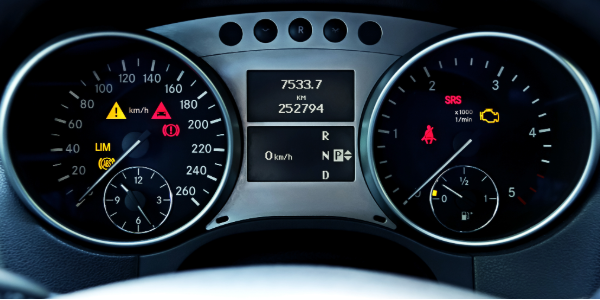
Quick Answer: Car warning lights typically use a stoplight color code, so a red light such as oil pressure, engine temperature, or a brake warning that stays on means you should pull over safely and stop.
A glowing symbol on the dash can feel stressful, especially at highway speed. Still, most manufacturers use similar color logic, so a quick look at the color usually tells you how fast to act. This guide walks through the lights drivers see most, plus a clear next step for each.
Key Takeaways
- Color is the first clue: red usually means stop, amber means schedule a check, and green or blue means a feature is on.
- Oil pressure and engine temperature lights can cause serious engine damage quickly, so they call for an immediate stop.
- A solid check engine light can often wait for a shop visit, but a flashing one means pull over.
- Cold weather can trigger a tire pressure light, but it can also point to a leak, so check the tire.
- Your owner’s manual is the final word on the symbols in your vehicle.
What Do Car Warning Lights Mean
by Color?
Car warning lights usually follow the same color logic as a traffic signal. Red points to a serious problem or a safety issue. Amber or yellow means something needs attention soon. Green or blue typically shows that a feature, such as cruise control or the headlights, is on.
Symbols differ a little between brands, so your owner’s manual is the best reference for your vehicle. The table below gives a quick view of how each color usually works.
| Light color |
What it usually means |
What to do |
| Red |
A serious problem or a safety issue |
Pull over when it is safe, turn the engine off, and call for help |
| Amber or yellow |
Something needs attention soon |
Schedule a check, usually within a few days |
| Green or blue |
A feature is active |
No action is needed |
Colors and symbols can vary by manufacturer. Check your owner’s manual for the lights in your vehicle.
Which Car Warning Lights Mean Pull
Over Immediately?
Red lights tied to oil, temperature, or brakes are the ones that usually call for an immediate stop. Continuing to drive can turn a repairable problem into a much bigger one.
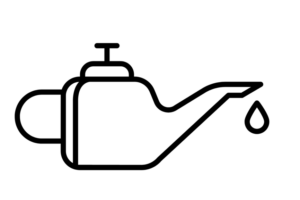 Oil pressure light
The oil pressure light, often shaped like an old-fashioned oil can, means the engine may not be getting enough oil circulation. The oil level might be low, or the pressure might be low for another reason. Pull over as soon as it is safe, shut the engine off, and arrange a tow. Driving even a short distance without proper oil pressure can cause lasting engine damage.
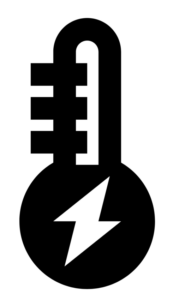
Engine temperature light
This light, usually a thermometer in wavy lines, means the engine is overheating. Pull over, turn the engine off, and let it cool before you do anything else. Never open the radiator cap on a hot engine. Once it cools, you can check the coolant level, and our guide on how to check your car fluids shows how. If the light comes back, arrange a tow.
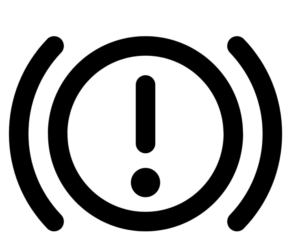 Brake system warning light
Two things commonly trigger this light. The first is simple: the parking brake is still on. Release it and see if the light goes out. If it stays on, the cause could be low brake fluid or a problem in the braking system. So pull over when it is safe and have the vehicle inspected before you drive on.
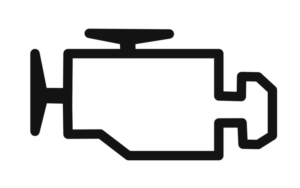 Flashing check engine light
A solid check engine light is a soft warning, but a flashing one is not. Flashing often points to a misfire, which can damage the catalytic converter if you keep driving. So slow down, pull over safely, and arrange a tow or a ride to a shop.
Which Car Warning Lights Can Wait
for a Shop Visit?
Amber lights are usually not emergencies, but they should not be ignored. Have the vehicle checked within a few days.
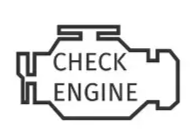
Solid check engine light
This light covers the emissions system and engine management. The cause can range from a loose gas cap to a failing sensor. If the vehicle drives normally, a short trip to a shop is generally reasonable. Tighten the gas cap first, since that is the easiest cause to rule out.
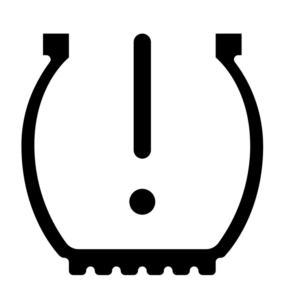
Tire pressure light
This light looks like a cross-section of a tire with an exclamation point. It comes on when one or more tires are underinflated. Cold weather is a common trigger because pressure drops as temperatures fall, but a slow leak or puncture can cause it too. Stop at the next safe spot and check each tire against the pressure on the sticker inside the driver’s door. If the light returns, ask a tire shop to look for a leak.
ABS, battery, airbag, and traction control lights
These four amber lights each point to a different system.
- ABS light: The anti-lock braking system found a fault. Your regular brakes generally still work, but the anti-lock function may not. Drive carefully, leave extra following distance, and get it checked promptly. If it appears with the red brake light, treat it as a brake emergency.
- Battery light: The charging system needs attention. The cause may be the battery, the alternator, or a loose connection. The vehicle may keep running for a while, but it can leave you stranded, so head to a shop instead of taking a long trip.
- Airbag light: This light normally comes on briefly at startup. If it stays on while you drive, the system found a fault, and the airbags may not work as designed.
- Traction control light: A brief flash usually means the system is working on a slippery road. A steady light can mean the system is switched off or has a fault.
What Should You do When Car Warning Lights Come On?
A calm, simple routine helps you decide fast.
- Note the color first, since red and amber call for different levels of urgency.
- Check for other signs, such as new noises, smells, smoke, or a change in how the vehicle drives.
- Pull over safely for any red light, and turn on your hazard lights.
- Rule out the simple causes, such as the parking brake, the gas cap, or tire pressure.
- Open your owner’s manual to confirm the symbol and the maker’s advice.
- Call for help if you are unsure, because a tow is a safer choice than driving on with a serious fault.
Also keep key papers handy in case you end up stopped on the roadside. Our checklist of documents to keep in your car covers what to have on hand.
Does a Warning Light That Turns
Off Still Matter?
Generally, yes, because the light came on for a reason. A tire pressure light, for example, can switch off as tires warm up while the tires are still low. So if any light appears more than once, mention it to a technician.
Regular upkeep also helps head off many warnings. The top car maintenance tips mechanics wish drivers knew are a good place to start.
Frequently Asked Questions
Q: Can I keep driving with the check engine light on? Generally, yes, if the light is solid and the vehicle drives normally, since a short trip to a shop is usually reasonable. If the light flashes, or the vehicle runs rough, loses power, or makes unusual noises, pull over and arrange a tow.
Q: What is the difference between red and amber car warning lights? Red points to something serious that needs immediate attention. Amber points to something that needs attention soon but is typically not an emergency.
Q: Can cold weather turn on the tire pressure light? Generally, yes. Tire pressure drops as temperatures fall, so a cold morning can trigger the light even without a leak. Check each tire with a gauge, inflate to the pressure on the driver’s door sticker, and see a tire shop if the light returns.
Q: Why does a warning light flash instead of staying on? A flashing light usually signals a more urgent condition than a solid one, especially for the check engine light. Some lights, such as traction control, flash briefly just to show the system is working.
Q: Is it normal for lights to appear when I start the vehicle? Generally, yes. Many lights come on for a few seconds as the vehicle runs a self-check, then turn off. It becomes a concern only if a light stays on while you drive.
Q: How do I find out what a specific symbol means? Your owner’s manual lists every symbol for your vehicle, and many vehicles also show the information on the infotainment screen. Symbols differ between manufacturers, so the manual is the most reliable source.
Next Steps
If you want to get ready for the road ahead, these guides are a good next read.